
Benefits of Having a Home Inspection During a New Build Process
Starting a new home build is exciting. You get to see your dream take shape from the ground up. But even with new construction, problems can arise. That’s why having a home inspection during the building process is a smart move. It helps catch issues early, saves money, and gives you peace of mind.

Why a Home Inspection Matters for New Builds
Many people think new homes don’t need inspections because everything is brand new. That’s not true. Builders can make mistakes. Materials might be damaged or installed incorrectly. Inspections help spot these problems before they become costly repairs.
A home inspection during the build process can:
Identify construction defects early
Ensure building codes and standards are met
Verify that materials and systems are installed properly
Prevent delays by addressing issues before final stages
Provide documentation for future reference
Even though builders follow plans, errors happen. For example, plumbing pipes might be placed too close to electrical wiring. Or insulation might be missing in some walls. A professional inspector knows what to look for and can catch these problems.
When to Schedule Inspections During Construction
Timing is key. You want inspections at different stages of the build. This way, you catch problems as they happen, not after the house is finished.
Here are common inspection points:
Foundation and Footings: Check for cracks, proper depth, and correct materials.
Framing: Inspect the wood or steel frame for alignment, fastening, and structural integrity.
Mechanical Systems: Review plumbing, electrical, and HVAC rough-ins before walls are closed.
Insulation and Drywall: Confirm insulation is installed correctly and drywall is free of defects.
Final Walkthrough: Inspect the finished home for any remaining issues or cosmetic defects.
Scheduling inspections at these stages helps avoid costly fixes later. For example, if plumbing is installed incorrectly, fixing it after drywall is up means tearing into walls.
How a Home Inspection Protects Your Investment
Building a new home is a big financial commitment. A home inspection protects that investment by making sure you get what you paid for.
An inspector provides a detailed report showing any problems. This report can be used to:
Request repairs or corrections from the builder
Negotiate warranties or guarantees
Avoid unexpected repair costs after moving in
In Kentucky, where weather and soil conditions vary, inspections can also check for issues like proper drainage and foundation stability. These factors affect the home’s long-term durability.
Examples of Inspection Services for New Builds
One example of a trusted inspection service in Eastern and Central Kentucky is Big Sandy Inspections. They offer thorough home inspections tailored to new construction. Their inspectors check every detail from foundation to roof.
Another service to consider is a Third-Party Structural Inspection. This focuses on the home’s frame and foundation, ensuring the structure is sound and built to code.
For mechanical systems, a Mechanical Systems Inspection can verify plumbing, electrical, and HVAC installations before walls are sealed.
Using these services together gives a full picture of your new home’s condition. It helps you avoid surprises and ensures quality.
What Inspectors Look for in New Builds
Inspectors check many parts of the home. Here are some key areas:
Foundation: Cracks, settling, moisture issues
Framing: Proper nailing, straight walls, no damaged wood
Roofing: Correct installation, flashing, shingles
Windows and Doors: Proper sealing, operation, and alignment
Electrical: Safe wiring, grounded outlets, breaker panel setup
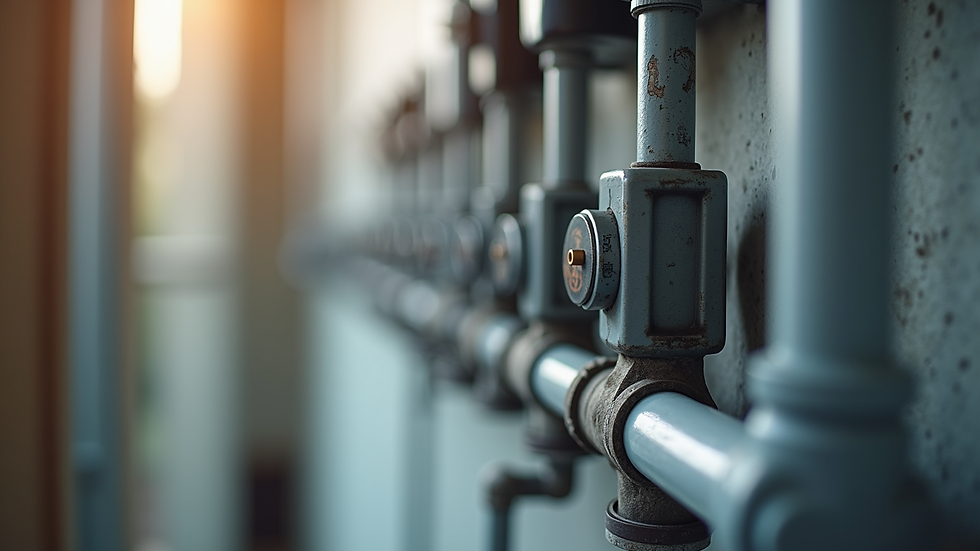
Plumbing: Leak tests, pipe placement, water pressure
HVAC: Ductwork, system operation, ventilation
Insulation: Coverage, type, and installation quality
They also look for safety issues like smoke detectors and carbon monoxide alarms. Inspectors use checklists and tools to ensure nothing is missed.
How Inspections Save Time and Money
Finding problems early saves money. Fixing a leak before drywall goes up is cheaper than tearing out walls later. Catching framing errors early prevents structural issues down the road.
Inspections also save time. Builders can fix issues during construction instead of after you move in. This avoids delays and inconvenience.
In one case, a homebuyer found missing insulation in several walls during an inspection. The builder corrected it before drywall installation, saving the buyer from higher energy bills and costly repairs.
Peace of Mind for Homebuyers
Building a home is stressful. Inspections reduce that stress by giving you clear information. You know the home is safe, sound, and built right.
When you work with a trusted inspection service like Big Sandy Inspections, you get a detailed report and expert advice. This helps you make confident decisions throughout the build.
Knowing your home meets standards and is free of hidden problems lets you focus on enjoying your new space.
Final Thoughts on Home Inspections for New Builds
A home inspection during the new build process is a smart step. It catches problems early, protects your investment, and gives peace of mind. Scheduling inspections at key stages helps avoid costly repairs and delays.
Using services like Big Sandy Inspections ensures you get a thorough, professional review of your new home. This helps you move in with confidence, knowing your home is safe and sound.
Don’t skip the inspection just because your home is new. It’s one of the best ways to protect your future and enjoy your new home without surprises.


Comments